
Green Sea Turtle
Chelonia mydas
The most common species in Akumal Bay. Named for the greenish colour of their fat — not their shell. Adults can weigh up to 190 kg. They graze on seagrass and algae in the shallow bay every day.
PLACE OF THE TURTLES
A small bay on the Caribbean coast where sea turtles have grazed the seagrass beds for millions of years — and still do today.
The name comes from the ancient Mayan language and carries centuries of history.
"Akumal" means "Place of the Turtles" in Mayan — a name earned long before the first tourists arrived.
The village of Akumal sits on the Riviera Maya coast in Quintana Roo, Mexico. Long before it became a diving destination, Mayan fishermen knew these waters as the home of the turtle — "ak" (turtle) + "umal" (place of). The name has not changed since.
A hidden gem on the Caribbean coast of Mexico's Yucatán Peninsula.
Two species of sea turtles frequent the bay year-round, grazing on the seagrass beds in shallow water.
The most common species in Akumal Bay. Named for the greenish colour of their fat — not their shell. Adults can weigh up to 190 kg. They graze on seagrass and algae in the shallow bay every day.
Distinguished by their narrow, pointed beak and beautifully patterned shells. Critically endangered. Occasionally spotted feeding on sponges along the reef edge near Akumal.
Every year, female sea turtles return to the beach where they were born to lay their eggs. The cycle of life in Akumal follows the seasons.
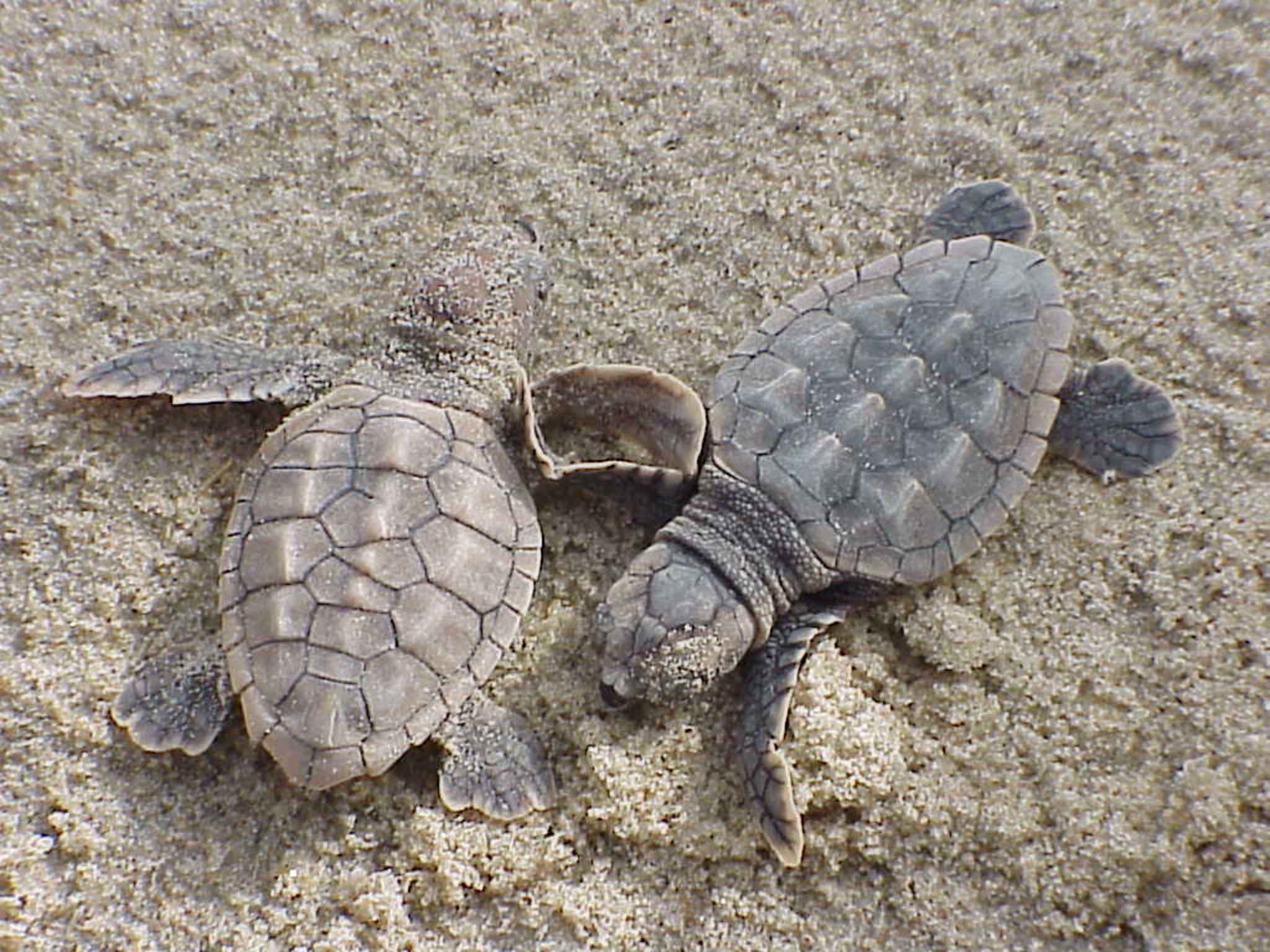
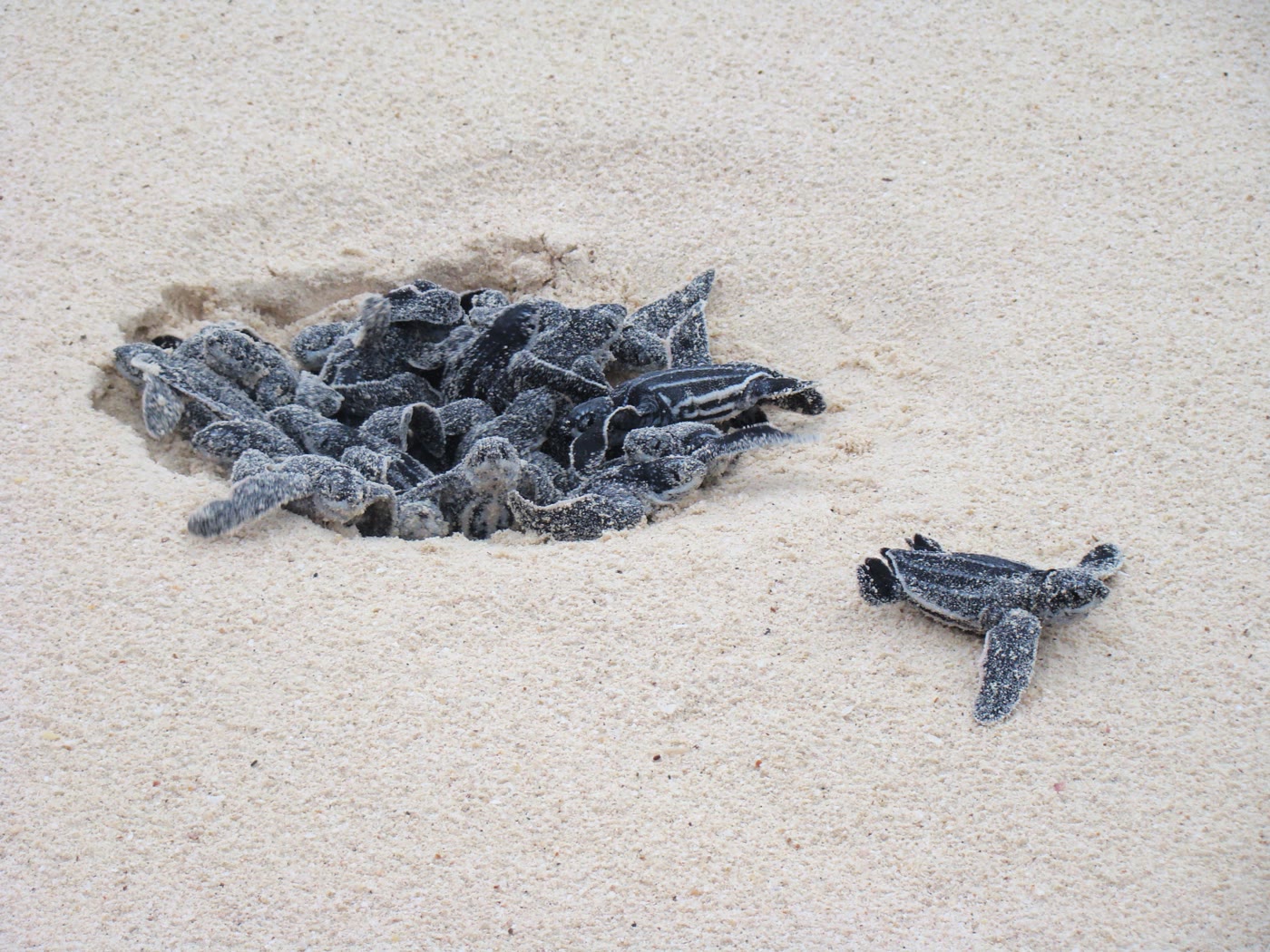
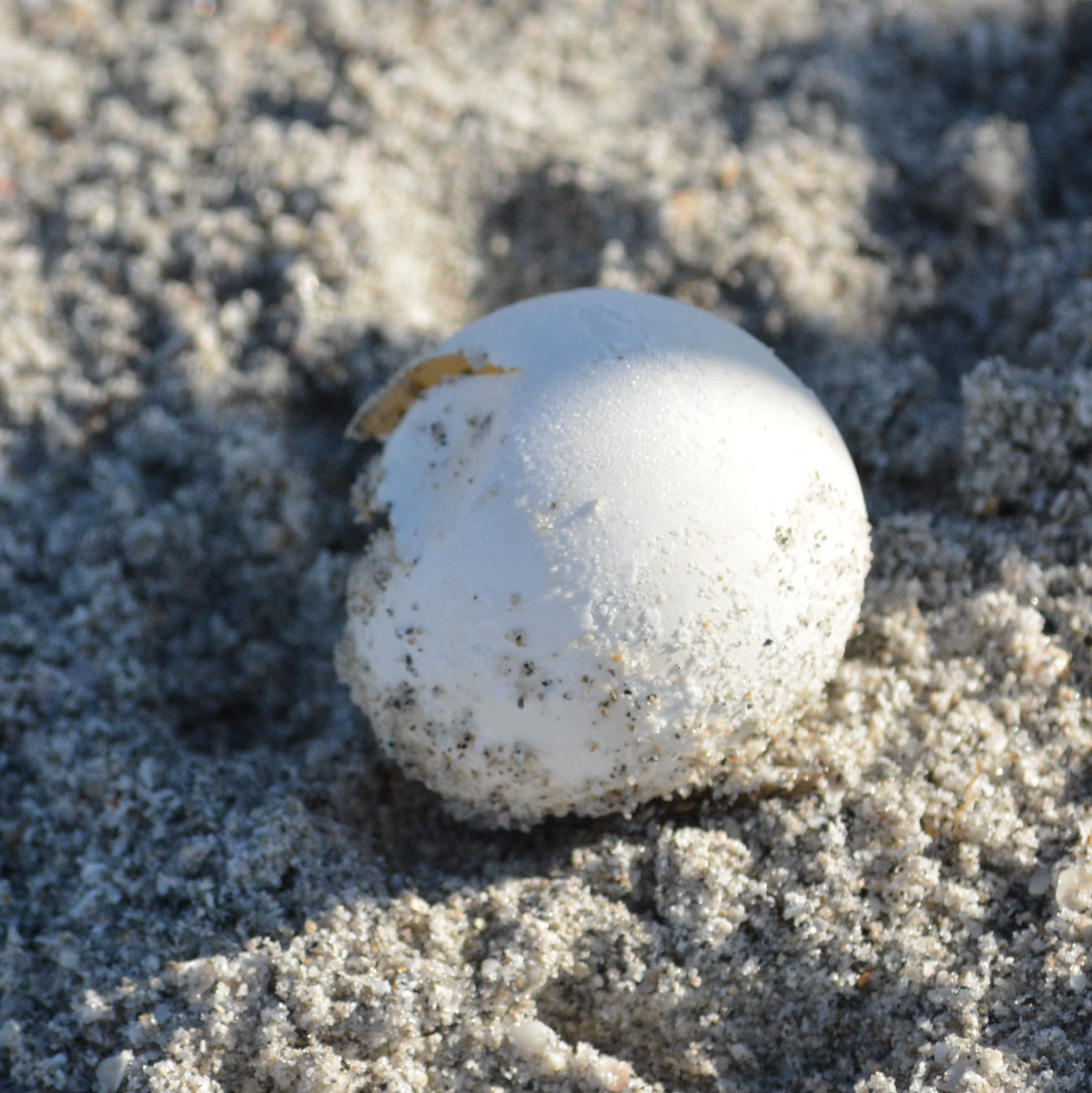
Nesting season. Female turtles come ashore at night to dig nests and lay 80–150 eggs on nearby beaches like Xcacel-Xcacelito.
Incubation complete. Sand temperature determines the sex of the hatchlings — warmer sand produces more females.
Hatchlings emerge after dark and head instinctively toward the lightest horizon — the sea. A perilous 50-metre sprint.
Young turtles drift with ocean currents for years before returning to coastal feeding grounds like Akumal Bay.
Sexual maturity reached. Adult females return to the same beach where they hatched to nest — guided by the Earth's magnetic field.
Akumal Bay is a protected natural area with one of the richest marine ecosystems in the Mexican Caribbean.
A fringing reef protects the bay and creates habitat for hundreds of species. Home to brain coral, elkhorn coral, and sea fans.
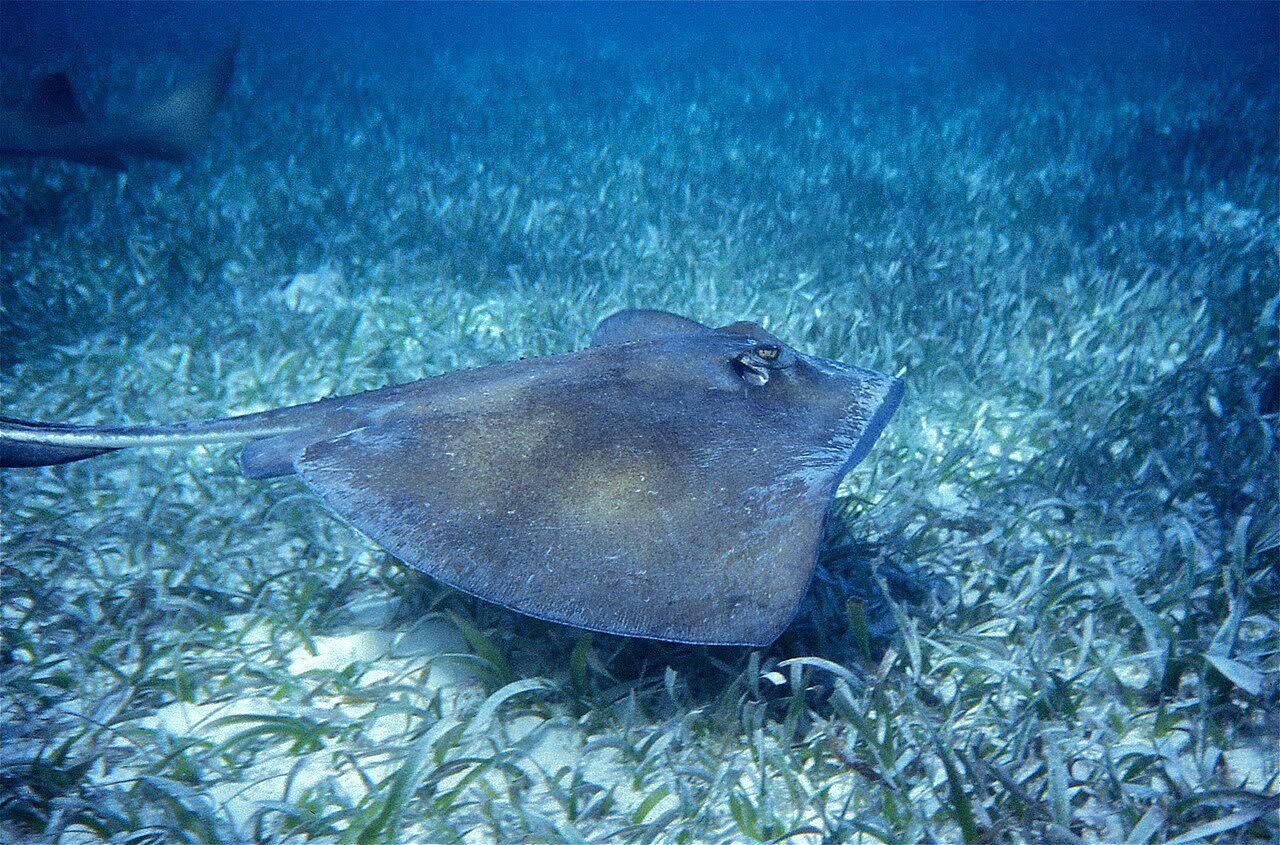
Shallow Thalassia seagrass beds are the turtles' primary food source — and a nursery for juvenile fish, rays, and invertebrates.
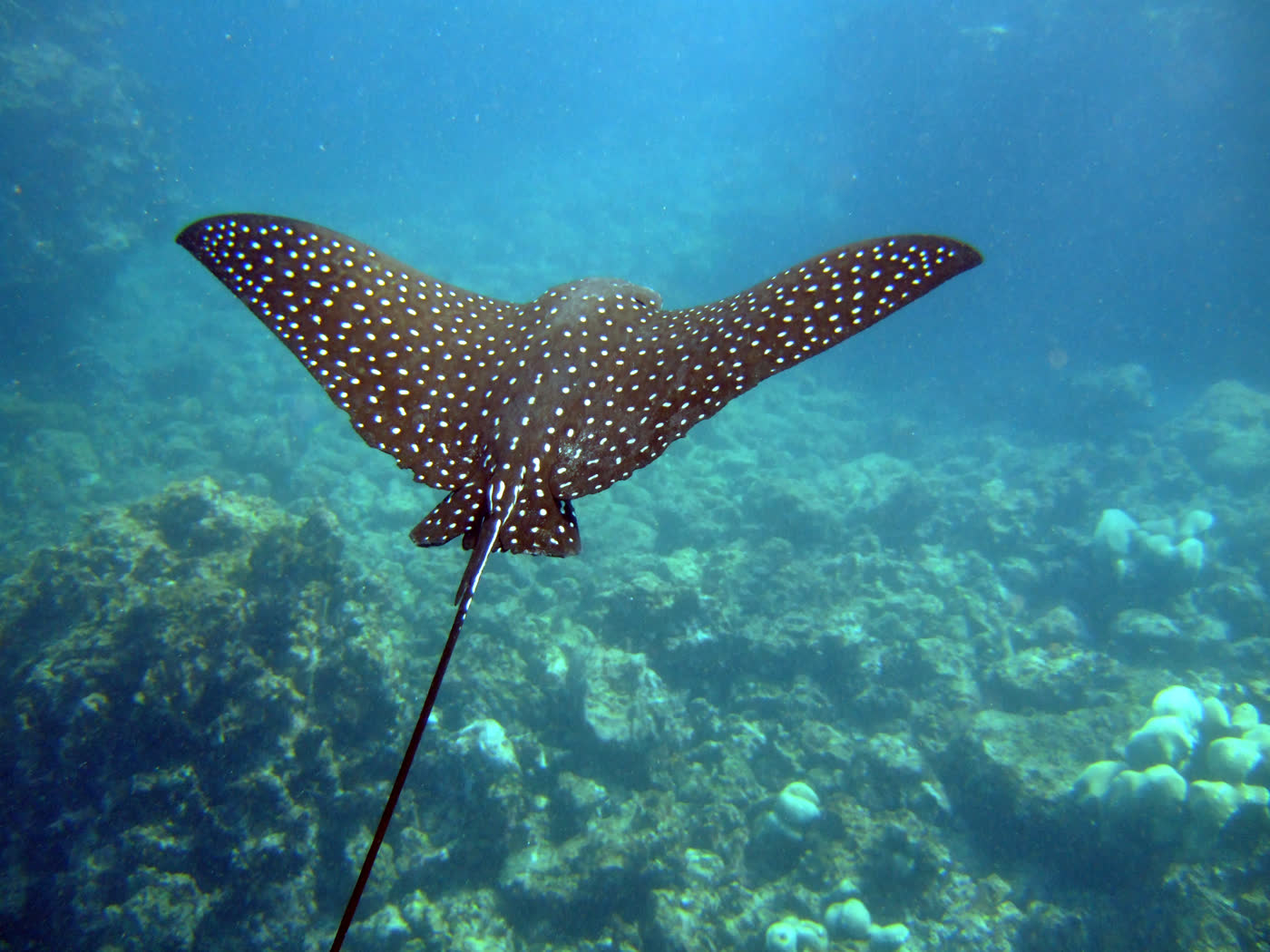
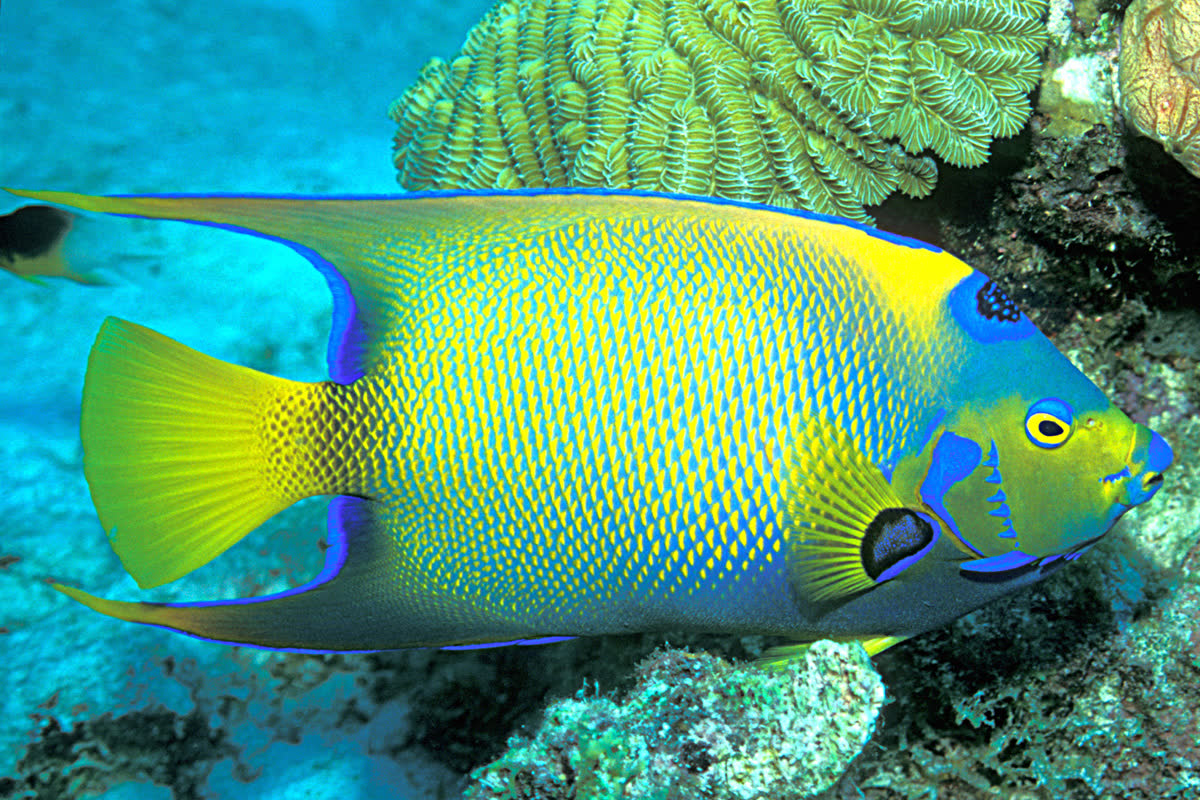
Parrotfish, angelfish, sergeant majors, barracuda, and spotted eagle rays are common sights on every snorkel tour.
Harmless nurse sharks rest on the sandy bottom near the reef — a thrilling sighting that surprises most first-time snorkellers.
The largest sea turtle that visits Akumal Bay. Recognised by its large head and reddish-brown shell. An occasional visitor — spotting one is a rare and unforgettable experience.
Akumal Bay is a protected marine area. These rules keep the turtles wild, healthy, and in the bay for generations to come.
A few figures that put this remarkable place in perspective.
Small group, max 6 people. Expert local guide. Personal video on lucky days. Book and pay online instantly.
Xarou will get back to you as soon as possible · No commitment · Free to ask